
Unmatched Strength
For Seamless Water Flow
At Prayag, we bring you a range of Composite Pipes engineered for high durability, excellent Thermal compatibility, and long service life. Designed to handle extreme conditions, these pipes ensure hassle-free installations with zero corrosion and high tensile strength.
Why Choose Prayag Composite Pipes?

A strategic business decision that reduces project risk and lifecycle maintenance labor.

Engineered for lasting reliability in the most demanding environments.

Manufactured from Food Grade Material to ensure pure and clean flow.

Built with excellent UV resistance to withstand harsh conditions without degradation.
Composite pipe range
What are Composite Pipes
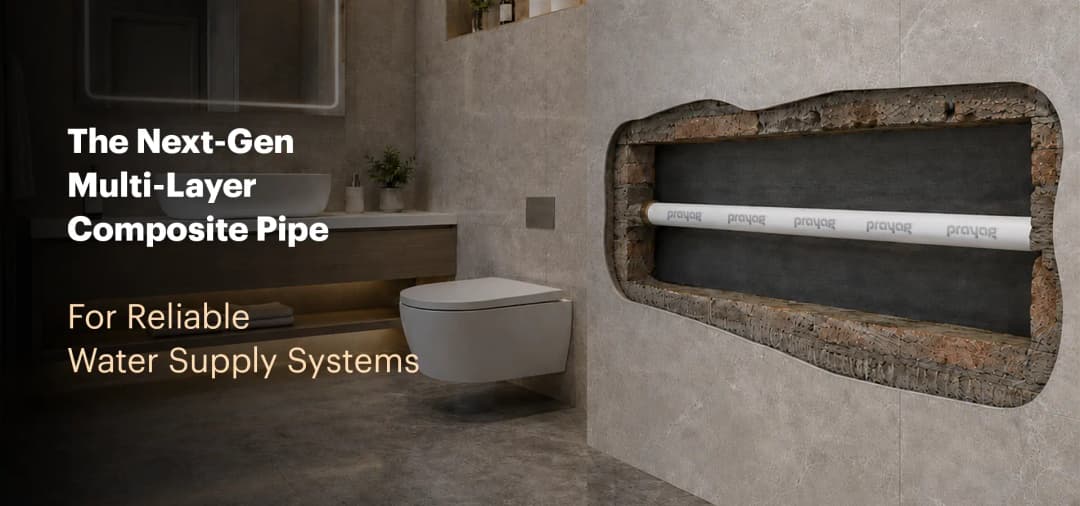
A composite pipe is a next-generation pressure solution utilizing a PE-AL-PE (Polyethylene-Aluminum-Polyethylene) multi-layer structure manufactured in strict compliance with IS 15450:2022.
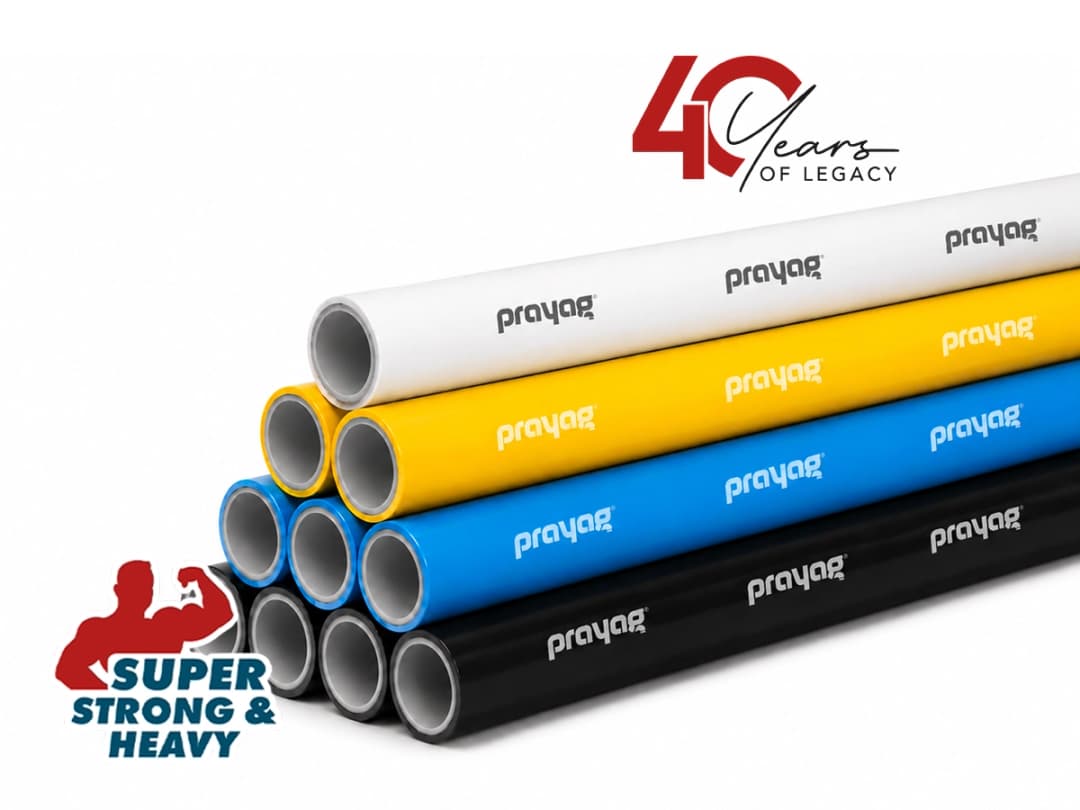
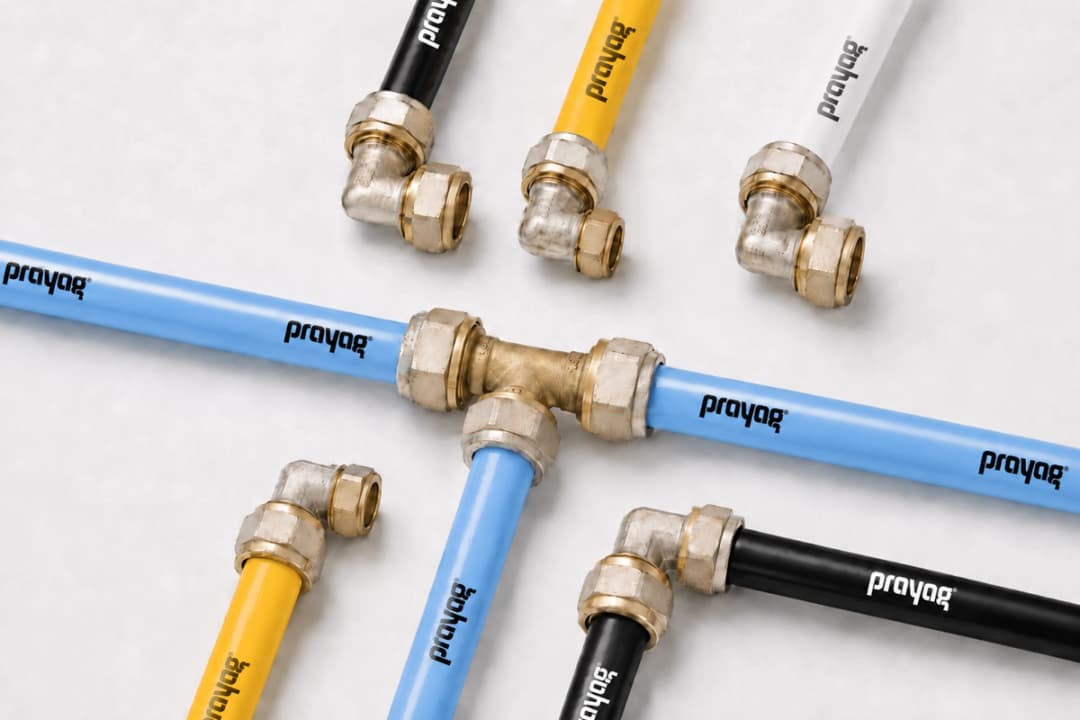
This five-layer architecture integrates a form-stable aluminum core overlap-welded between layers of high-performance polyethylene. This evolution solves the dual problem of plastic's thermal instability and metal's corrosive degradation. We have created color-coded safety standards to identify fluid mediums immediately for risk mitigation.
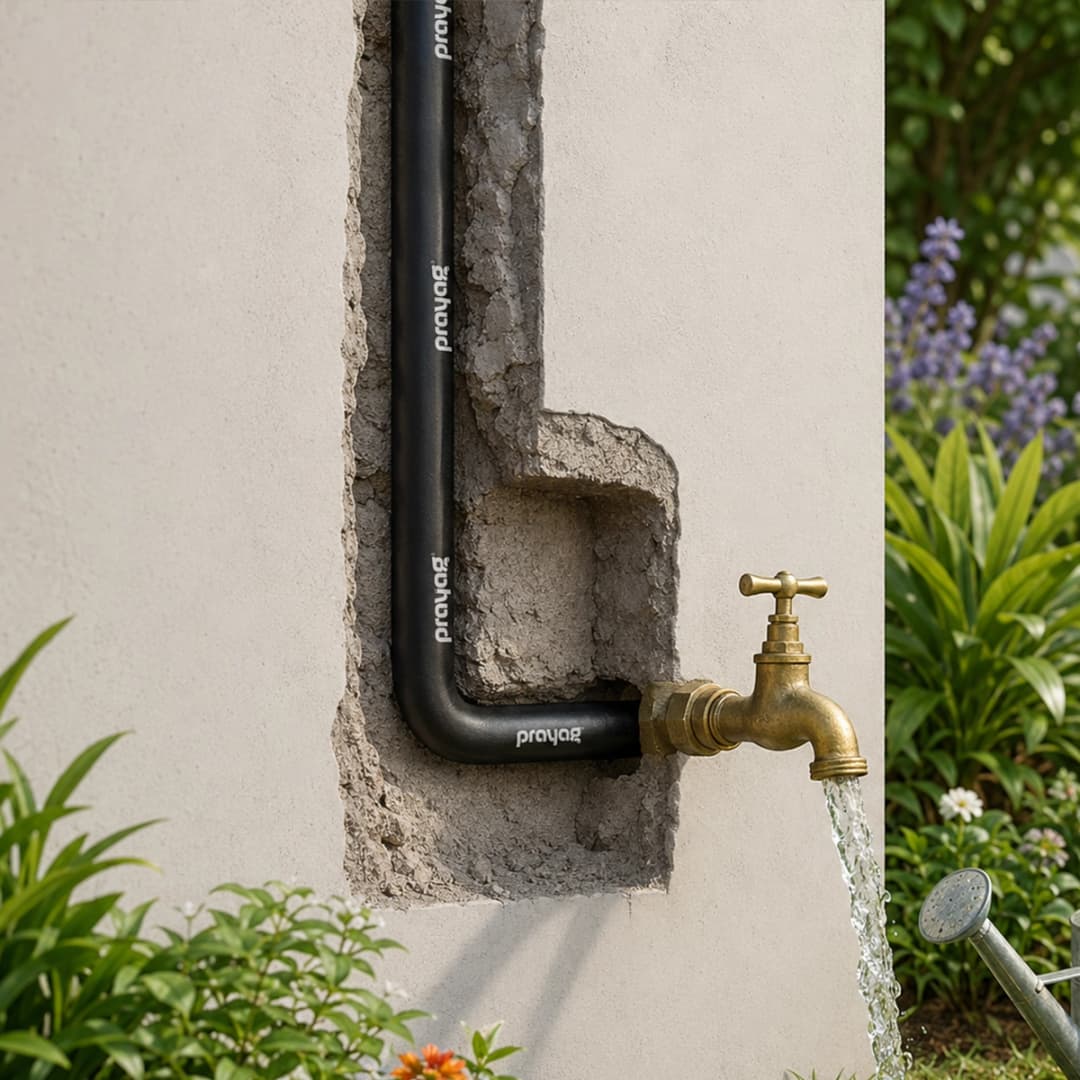
Black
LIFE flow
Standard water supply and ISI-compliant applications.
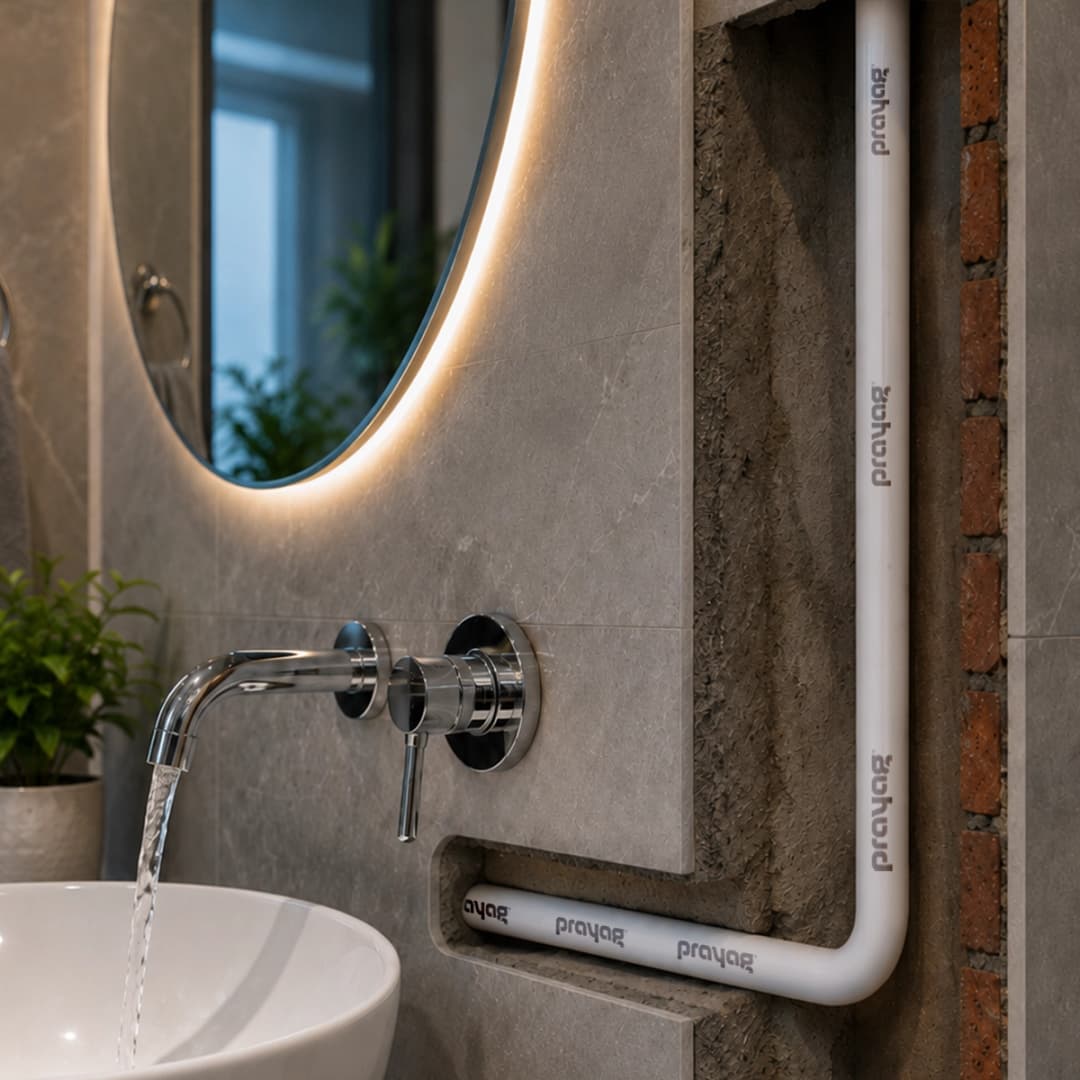
White
EVER flow
Potable and residential (PRT) water supply systems.
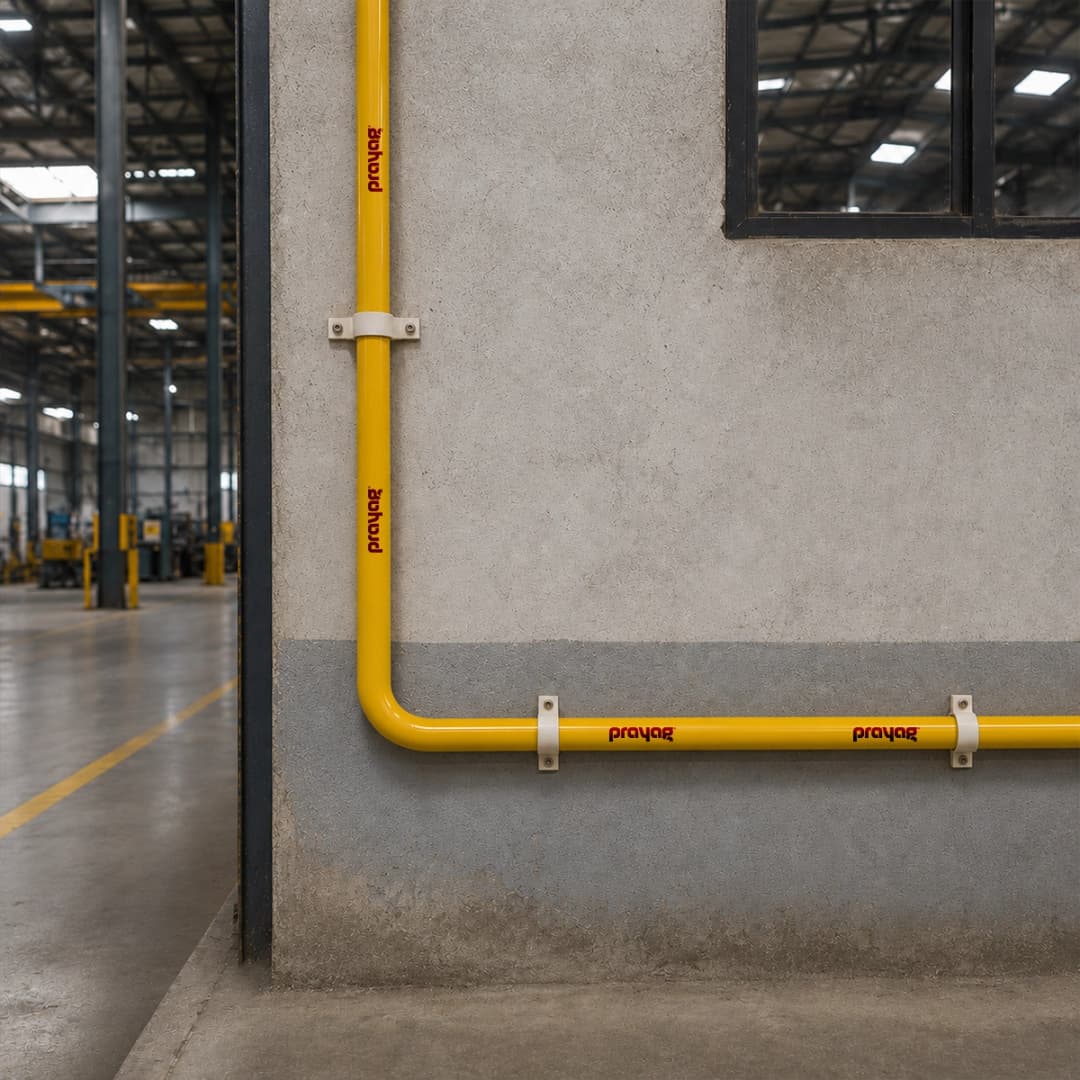
Yellow
SAFE flow
LPG and Natural Gas pipeline distribution.
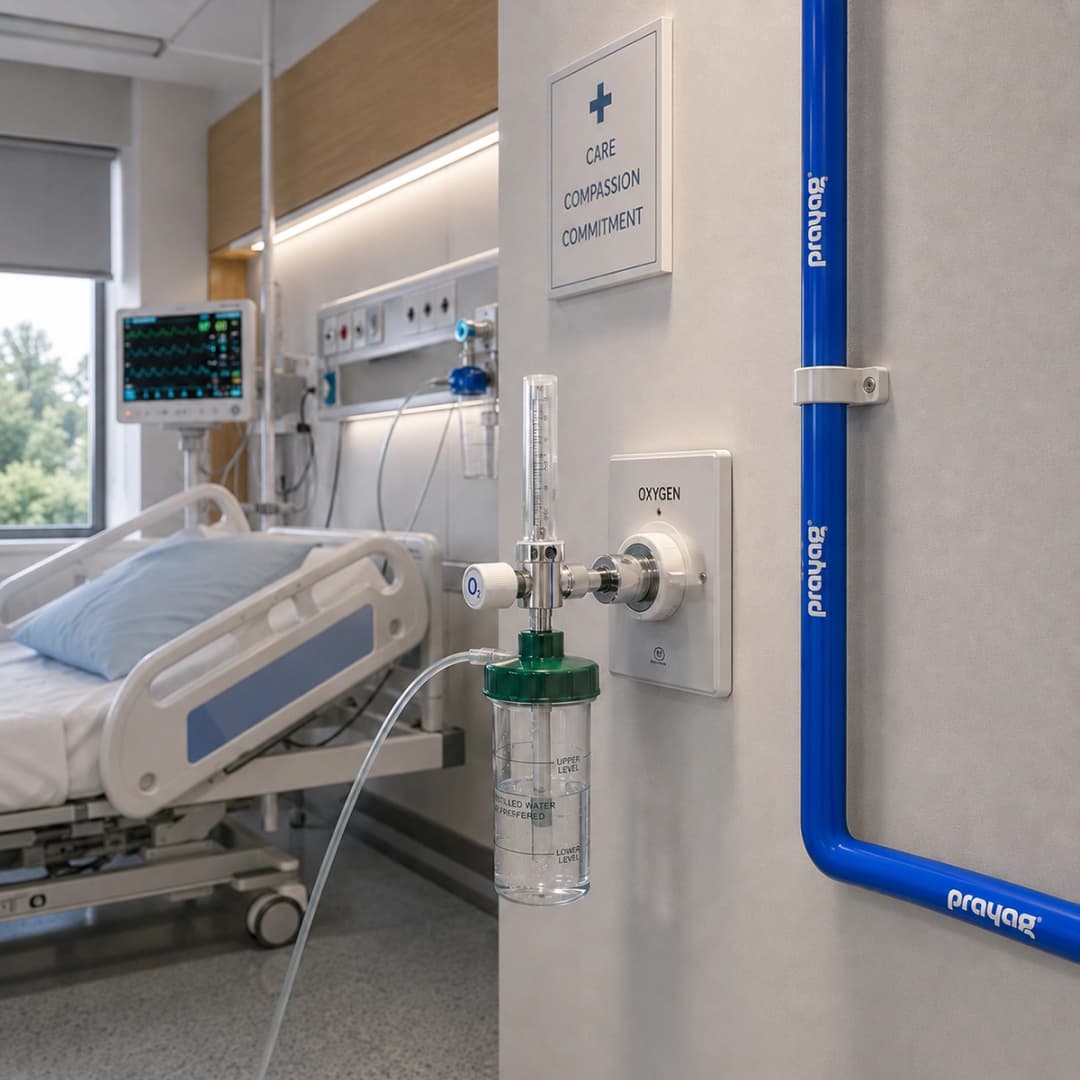
Blue
OXY flow
Specialized Medical Air and Oxygen supply for healthcare infrastructure.
Where our pipes work
Key Application Areas
From residential plumbing to critical medical gas lines, our pipe range is engineered for the specific demands of each application.

Manufacturing Plants and Industrial Facilities
Chemical and heat-resistant piping for process, cooling & utility lines

Food Processing and Packaging Units
Hygienic, corrosion-free pipelines built for food-grade safety standards

Automotive and Assembly-Line Operations
Precision-engineered lines for coolant, air & hydraulic systems

Hospitals, Clinics and Healthcare Infrastructure
Medical gas and pure water supply lines built to clinical safety codes
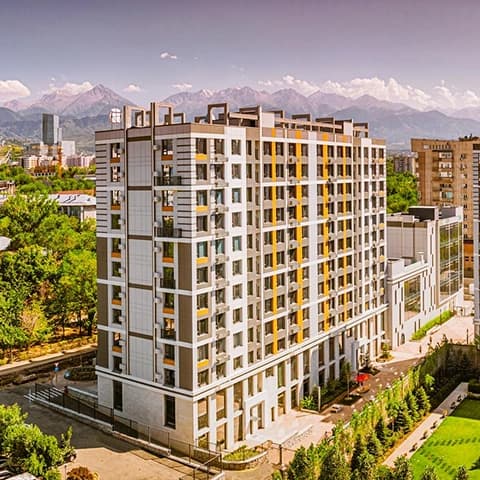
High-Rise Residential Towers
Vertical riser and horizontal distribution networks

Commercial Buildings
Office blocks, malls, institutional campuses
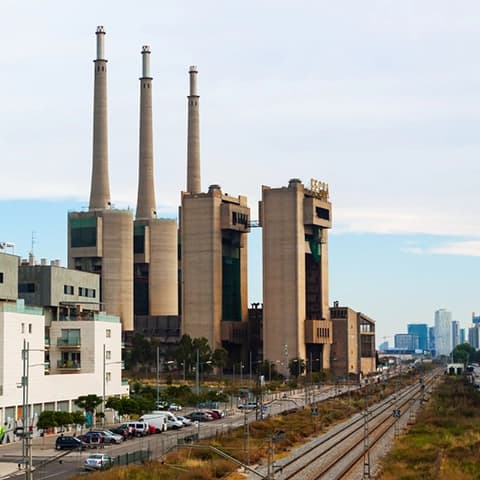
Industrial Parks and Utilities
Internal water networks, process-water supply
Advantage
The Engineering Advantage
- Thermal Stability: The aluminum core ensures an extremely low expansion rate, preventing the "sagging" common in standard polymers.
- Hydraulic Efficiency: A smooth interior facilitates 30% more flow than traditional alternatives, reducing pumping energy costs.
- Form-Stability: The pipes can be hand-bent and retain their shape without "spring-back," drastically reducing the need for joint fittings.
- Risk Mitigation: Available in coils up to 300m, eliminating up to 80% of potential leak points compared to rigid 6-meter pipes.
- Lightweight: Up to 70% lighter than metal, making transportation and installation significantly easier.
Specification
| Feature | Specification |
|---|---|
| Material Standard | IS 15450:2022 |
| Structure | 5-Layer PE-AL-PE |
| PE Density | 940.4 – 948.0 kg/m³ |
| Size Range (OD) | 12mm to 40mm |
| Aluminium Core | Overlap-welded (0.18mm to 0.33mm) |
| Max Coil Length | Up to 300 Metres |
| Thermal Stability | OIT > 20 minutes at 200°C |
Fittings Ecosystem
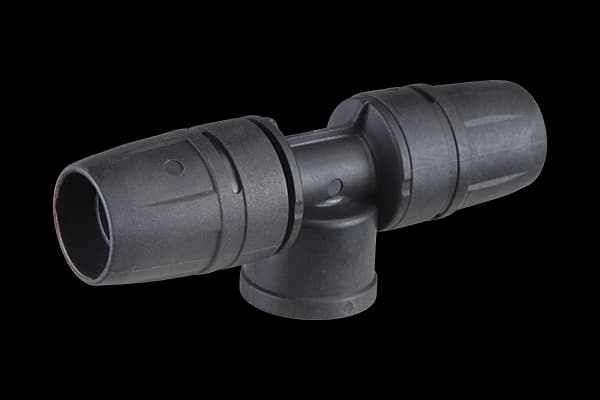
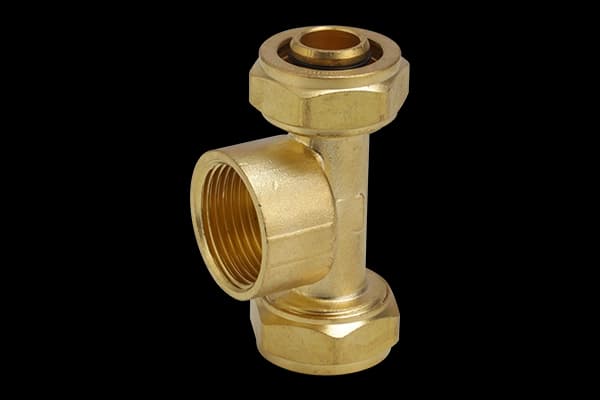
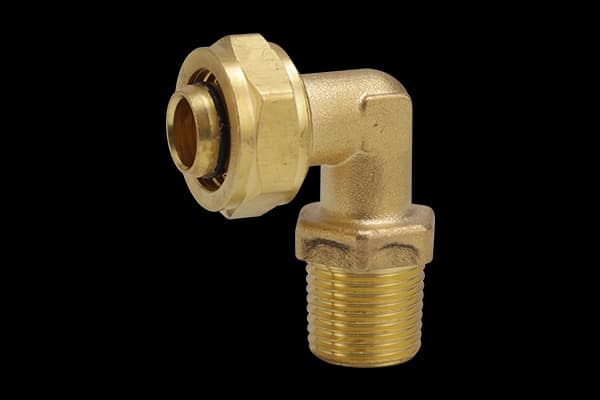
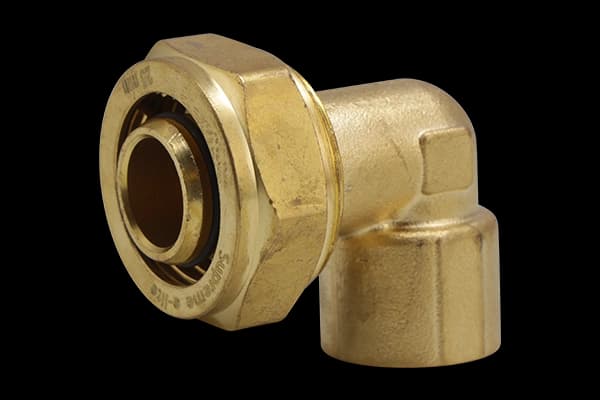
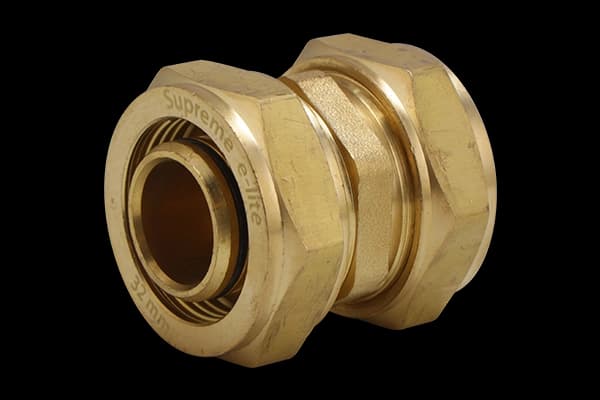
Prayag's fitting ecosystem is designed to address the weakest link in any fluid network through high-precision mechanical jointing and strategic risk mitigation. The system is categorized into two material types and supported by a specialized toolset to ensure permanent, leak-proof connections.
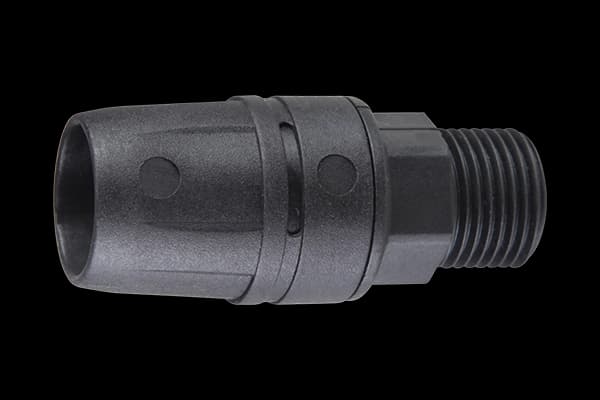
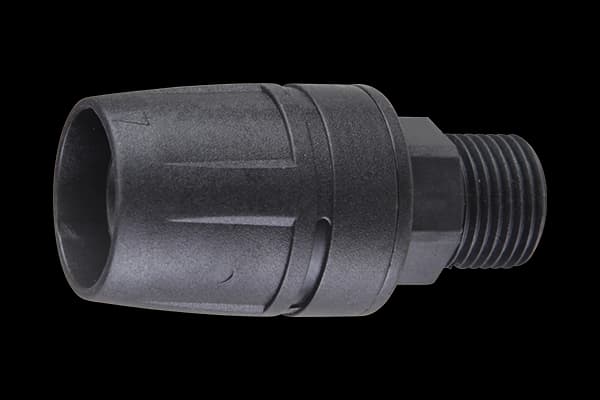
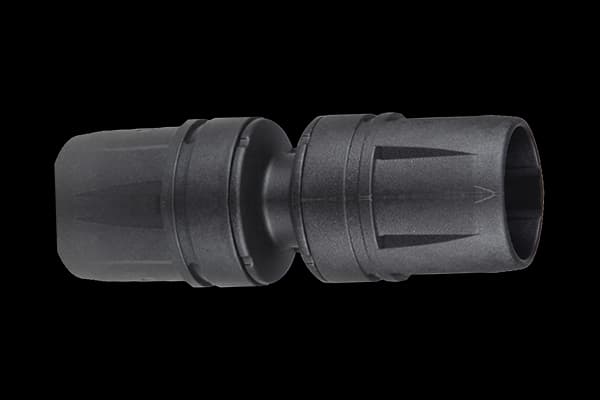
Union Coupler
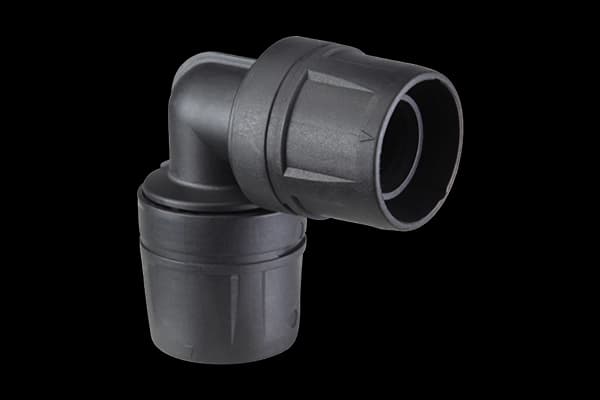
Equal Elbow 90°
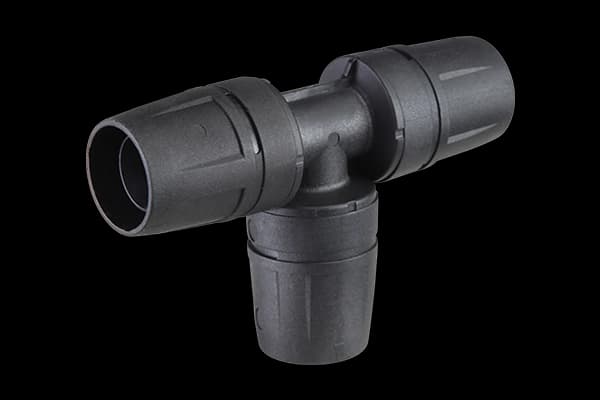
Equal Tee
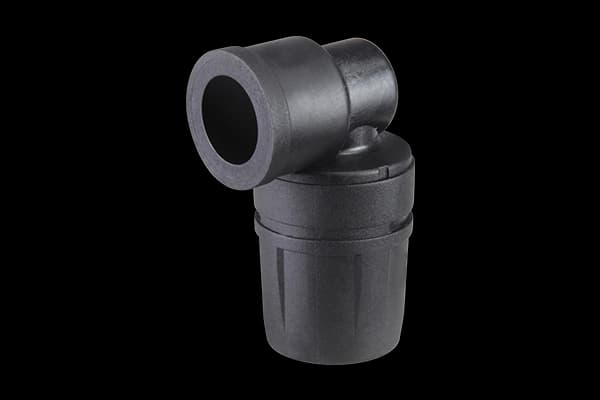
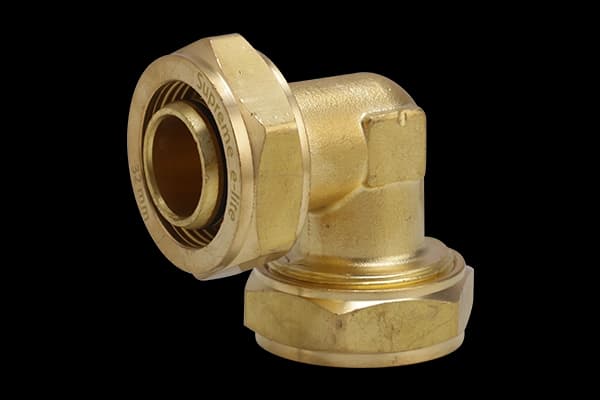
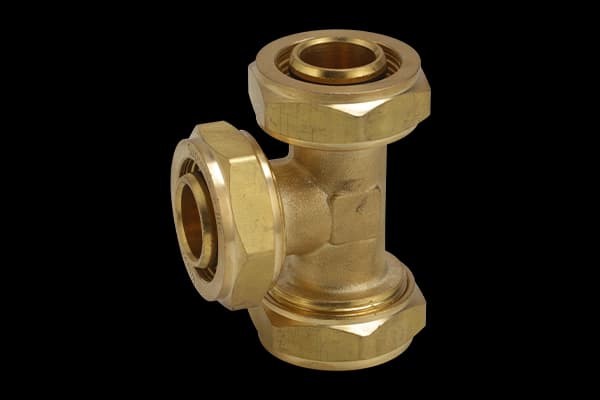
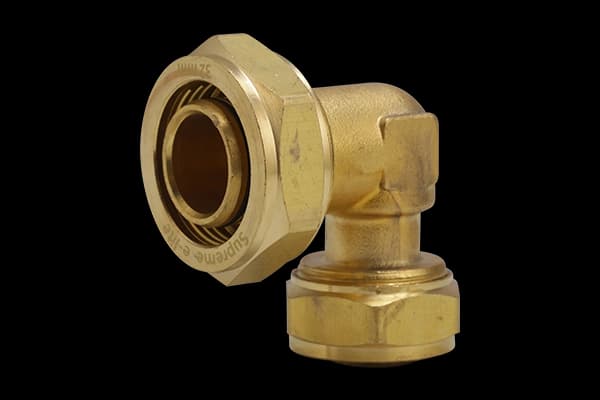
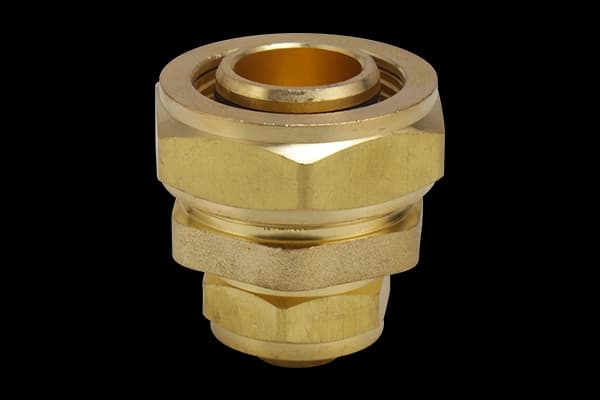
Unequal Coupler
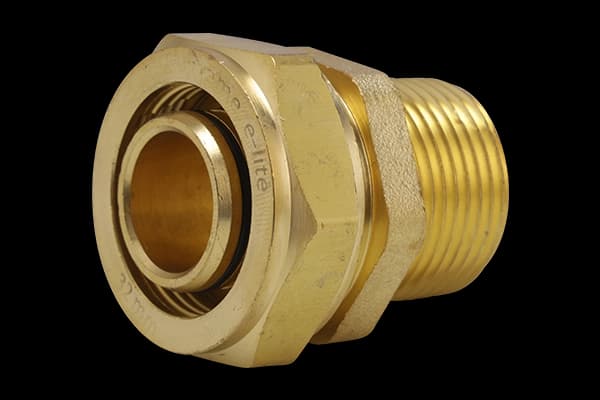
Male Threaded Adapter
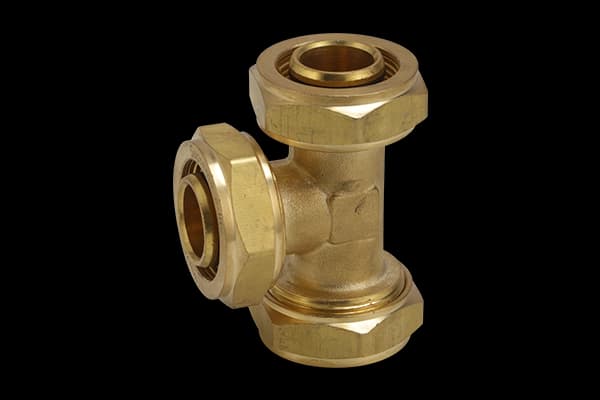
Unequal Tee
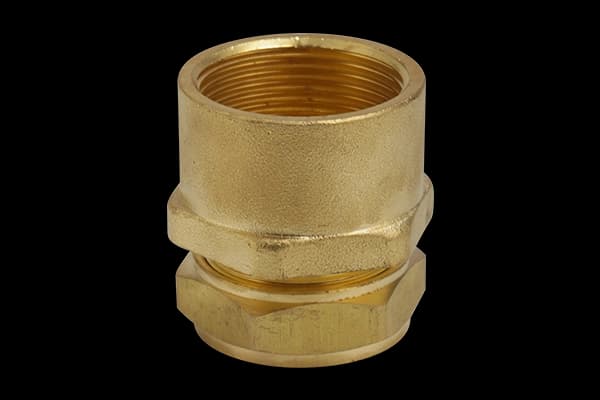
Faq's
1. What are Prayag Composite Pipes?
Prayag Composite Pipes are a pressure-pipe solution built with a five-layer PE-AL-PE structure. The design combines polyethylene layers with a form-stable aluminium core to provide durability, thermal compatibility, corrosion resistance, tensile strength, and reliable fluid flow across several applications.
2. How is the five-layer PE-AL-PE pipe constructed?
The composite structure places an overlap-welded aluminium core between high-performance polyethylene layers. Prayag states that the aluminium core thickness ranges from 0.18 mm to 0.33 mm, while the complete five-layer architecture is designed to combine the useful properties of polymer and metal materials.
3. Why does the pipe combine polyethylene and aluminium?
The polyethylene layers provide a smooth, hygienic, and corrosion-resistant fluid path, while the aluminium core improves shape retention and thermal stability. This combination is designed to address the thermal movement associated with standard plastic pipes and the corrosion that can affect conventional metal pipes.
4. Which standard and sizes apply to Prayag Composite Pipes?
Prayag states that its PE-AL-PE Composite Pipes comply with IS 15450:2022. The listed outside-diameter size range is 12 mm to 40 mm, and the polyethylene density specification is 940.4 to 948.0 kilograms per cubic metre.
5. What coil lengths are available and how do they affect joints?
The product page lists coil lengths of up to 300 metres. Prayag states that these long coils can eliminate up to 80 percent of potential leak points compared with rigid 6-metre pipes because fewer intermediate joints may be required along a pipeline route.
6. What is the design life of Prayag Composite Pipes?
Prayag describes the range as having a 50-year design life. Actual service performance depends on selecting the correct product variant, size, fittings, operating conditions, installation method, and maintenance practices for the intended application.
7. Are Prayag Composite Pipes suitable for potable water?
Prayag states that the pipes are manufactured from food-grade material for hygienic flow. EVER flow, identified by its white colour, is listed for potable and residential water supply systems, while LIFE flow, identified by black, is intended for standard water supply and ISI-compliant applications.
8. What do the different pipe colours and product names indicate?
The range uses colour coding to identify the intended fluid or application. LIFE flow is black for standard water supply, EVER flow is white for potable and residential water, SAFE flow is yellow for LPG and natural gas, and OXY flow is blue for medical air and oxygen supply.
9. Can Prayag Composite Pipes carry LPG or natural gas?
SAFE flow is the yellow composite pipe variant listed for LPG and natural gas pipeline distribution. Gas systems require the correct approved pipe variant, compatible fittings, specialist installation, testing, and compliance with all applicable safety codes.
10. Can the pipes be used for medical air and oxygen systems?
OXY flow is the blue variant developed for specialized medical air and oxygen supply in healthcare infrastructure. These critical systems must be designed, installed, tested, and commissioned according to the relevant clinical and safety requirements.
11. Where else can Prayag Composite Pipes be used?
The listed application areas include manufacturing plants, food-processing units, automotive and assembly operations, hospitals, high-rise residential towers, commercial buildings, and industrial parks and utilities. Specific uses include water, process, cooling, utility, coolant, air, hydraulic, and medical-gas lines.
12. How do Prayag Composite Pipes manage thermal movement?
The aluminium core provides a low expansion rate that helps reduce the sagging associated with some standard polymers. Prayag also lists an oxidation induction time above 20 minutes at 200 degrees Celsius as a thermal-stability specification; this is a material test value, not a stated operating temperature.
13. How does the smooth interior affect water flow?
The smooth inner surface is designed to support hydraulic efficiency with less internal resistance. Prayag states that the pipe can facilitate 30 percent more flow than traditional alternatives, although actual flow depends on pipe size, system layout, fittings, pressure, and operating conditions.
14. Can Prayag Composite Pipes be bent during installation?
Prayag states that the pipes can be hand-bent and retain their shape without spring-back, which can reduce the number of directional fittings required. The pipes are also described as up to 70 percent lighter than metal, supporting easier transport, handling, and installation.
15. Which fittings are available and how should the system be selected?
The range includes nylon and brass fittings such as union couplers, equal and unequal elbows, tees, threaded adaptors, and reducer connections. Select the pipe variant, diameter, fittings, and joining tools for the intended fluid, temperature, pressure, route, and applicable code. A qualified plumbing professional should confirm the final system design and installation method.